Are Oil-Filled Heaters Safe?
Oil-filled heaters can be safe when used as directed, but hot surfaces, electrical faults, and nearby flammable items still pose risks. Keep one on a stable floor with the required clearance, plug it directly into a wall outlet, and turn it off before sleeping or leaving.
On this page (10 sections)
- Are oil-filled heaters safe to use at home?
- Does an oil-filled heater leak or release fumes?
- What makes oil-filled heaters a fire or burn risk?
- How should you set up an oil-filled heater safely?
- Can you leave an oil-filled heater on overnight?
- Which oil-filled heater features help with safe use?
- Do smoke and carbon monoxide alarms matter with electric heaters?
- How should you care for an oil-filled heater?
- How do oil-filled heaters compare with other space heaters for safety?
- Are oil-filled heaters safe? Use this decision rule
Oil-filled heaters can be safe when used as directed, but their hot surfaces and electrical load still need care. They suit steady warmth in an occupied room where you can keep the radiator clear of furniture, fabrics, children, and pets.
The oil is sealed inside and carries heat from an electric element to the casing. It isn't burned as fuel, and you don't add oil during normal use.
Are oil-filled heaters safe to use at home?
An oil-filled heater can be a suitable home heating choice when its placement, power connection, and daily use follow the manual. An enclosed element reduces access to that element, but the radiator body can still cause burns.
Keep flammable items at least 3 feet away, or farther if the manual requires it. Measure from the heater to nearby curtains, bedding, furniture, clothes, and paper rather than judging the gap by eye.
Think about how the room changes during use. A curtain can blow toward the radiator, a chair can move back, and a pet can push a blanket into the clear space.
Safety features reduce specific risks; they don't make every location suitable. If you can't keep the required space clear throughout the day, choose another heating arrangement.
Are oil-filled heaters safe around children and pets?
Hot surfaces remain a burn risk around children and pets, even with a child lock. That lock restricts controls, not contact with the radiator.
Skip a portable radiator if you can't prevent touching, climbing, or play nearby. Don't place it beside a pet bed or where a child could pull its cord.
Does an oil-filled heater leak or release fumes?
A working oil-filled radiator keeps its heat-transfer oil sealed inside. Fluid around the unit, smoke, or a burning odor calls for stopping use, not adding oil or waiting for the problem to pass.
Don't open the radiator, patch a leak, or repair its sealed oil system yourself. Contact the manufacturer about damage, and keep the heater out of service until the issue is resolved.
Electric oil-filled heaters don't burn fuel, so they don't create carbon monoxide through combustion. Smoke and electrical burning smells still signal danger and should never be dismissed because the heater uses electricity.
What makes oil-filled heaters a fire or burn risk?
The main risks are nearby flammable items, hot surfaces, unstable placement, and unsafe electrical connections. These hazards matter more to daily safety than the number of convenience features on the controls.
Never dry socks, towels, or other laundry on the fins. Covering a radiator traps heat and puts fabric directly against a hot surface.
Keep the cord clear of the casing and out from under rugs or furniture. A hidden cord is harder to inspect, and furniture can pinch or damage it.
The radiator can remain hot after power is switched off. Let it cool before moving it, cleaning it, or putting it away.
For a broader checklist, see our guide to space heater safety, which covers placement, power, and common hazards across heater types.
How should you set up an oil-filled heater safely?
Choose a level, hard floor near a suitable wall outlet, with enough space for the full clearance zone. Keep it away from water and walkways, and avoid bathrooms or damp areas unless the heater is designed for that use.
Before the first use, fit any wheels or supports exactly as the manual directs. Check that the radiator stands firmly and that its cord reaches the outlet without stretching.
Plug it directly into the wall, never an extension cord or power strip. Our guide explains whether you can plug a space heater into an extension cord and why that connection adds risk.
Avoid running another high-power appliance on the same circuit. Separate outlets may share a circuit, so moving a plug across the room doesn't always solve an overload.
Stop if the plug fits loosely, the outlet shows discoloration, or the plug or outlet becomes unusually hot. A breaker that trips repeatedly needs attention, not repeated resets or a higher-rated breaker.
Can you leave an oil-filled heater on overnight?
Turn the heater off before sleeping or leaving home. Warm the room while you're awake and able to notice a shifted blanket, an electrical smell, or another problem.
A thermostat cycles heat to control room temperature; it isn't a supervision system. A timer also can't detect every unsafe condition that develops around the radiator.
Don't use delayed start to heat an empty room. Someone should be present and awake when it operates, even if the controls let you schedule it.
Read our advice on leaving a space heater on overnight for more on sleeping-room precautions. If smoke or fire develops, leave and call emergency services from a safe place.
Which oil-filled heater features help with safe use?
Prioritize tip-over protection, overheat protection, safety certification, and controls you understand. Then choose the convenience features that fit your routine rather than treating extra settings as extra protection.
Both heaters below have tip-over and overheat protection, and both brands identify them as ETL-listed. Those safeguards support correct use, but neither model is a solution for an unsafe outlet or cramped placement.
DREO: for digital controls and adjustable comfort
The DREO Oil Filled Radiator suits an occupied office or living room where you want a digital thermostat and remote control. Its 600W, 900W, and 1500W settings, plus eco mode, offer several ways to manage heat output.
DREO includes triple overheat protection, a child lock, and screen-off and mute modes. The latter features suit readers who dislike a lit display or control sounds while working or relaxing.
Choose it if you'll use the temperature controls and want to adjust settings without getting up. Skip it if you prefer manual controls or need something children can safely touch.
Its 24-hour timer is a scheduling tool, not permission to run it while you're away. Large wheels and handles help with room changes, but move it only after it has cooled.
Amazon Basics: for simple manual operation
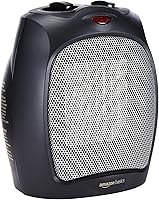
The Amazon Basics Oil Heater suits readers who prefer an adjustable thermostat with manual controls. It offers the same 3 power levels as the DREO, so choose between them mainly on controls and convenience.
Its heating elements are enclosed, and its fan-free design avoids airflow noise from a blower. Caster wheels and a handle help you reposition the cooled unit.
Choose it for straightforward operation in an occupied room. Skip it if remote adjustment or a digital temperature display is central to how you plan to use the heater.
Don't choose a lower power setting to make a damaged outlet usable. Lower output changes the electrical demand, but it doesn't fix loose contacts, damaged wiring, or poor placement.
Do smoke and carbon monoxide alarms matter with electric heaters?
Working smoke alarms are essential because electrical faults or nearby materials can cause a fire. Carbon monoxide protection addresses a separate household hazard, including fuel-burning equipment such as furnaces and fireplaces.
The First Alert Smoke and CO Alarm combines both detection functions in a battery-operated unit. It includes a check/silence button and an end-of-life warning.
Choose it if you need a battery-operated combination alarm that fits your home's alarm plan. Skip it as a replacement for a required hardwired or interconnected alarm unless the replacement meets those requirements.
Follow the alarm's instructions and local requirements for placement, routine checks, battery care, and replacement. Don't put it wherever space happens to be available or assume one unit covers the whole home.
How should you care for an oil-filled heater?
Inspect it before use and clean it only when unplugged and cool. Sealed oil needs no routine refill, but the cord, casing, wheels, and controls still need attention.
Remove dust using the method in the manual, without wetting electrical parts. Check between the fins and around the base, where debris can collect.
After seasonal storage, look for dents, fluid, damaged insulation, and loose supports before reconnecting it. Don't use the radiator if it fell hard or developed damage that could affect safe operation.
Store it cool and dry in the position the manual requires. Keep the cord loosely arranged rather than stretched tight around the unit.
How do oil-filled heaters compare with other space heaters for safety?
Oil-filled heaters suit gradual, steady warmth, while fan heaters deliver a stream of warm air. Neither approach removes the need for suitable wiring, clear space, and supervision.
Heat left in the oil continues to leave the casing after shutdown; it isn't free energy. Allow warm-up time instead of placing the radiator too close to your chair or covering it to speed heating.
Compare types in our guide to choosing a space heater and read how an oil-filled radiator works for more on its sealed oil system.
If you want warmth mainly for short visits to a room, our oil-filled heater vs ceramic heater comparison explains the practical tradeoffs.
Are oil-filled heaters safe? Use this decision rule
Oil-filled heaters can be safe when you can provide clear space, a sound wall outlet, and awake supervision. Skip one if the only available spot is beside bedding, near water, or within easy reach of children or pets.
Choose DREO for remote and digital control, or Amazon Basics for manual operation. Add an appropriate alarm where needed, but solve placement and electrical problems before buying a heater.
For more heater choices, compare our best oil-filled radiators. Before switching any model on, review our space heater safety guidance against the room you actually plan to heat.
Frequently asked questions
Can an oil-filled heater catch fire?
Yes. An oil-filled radiator can contribute to a fire if it is damaged, used near curtains or bedding, or connected improperly.
Put it on a stable, level floor, maintain all required clearances, and plug it directly into a wall outlet.
Turn it off before sleeping or leaving.
Can oil leak from an oil-filled heater?
Oil can leak if the sealed radiator is damaged, but refilling is not part of normal use. If you see fluid, stop using the heater, unplug it if you can do so safely, and contact the manufacturer.
Don't open the casing or attempt to patch the oil system.
Is it safe to leave an oil-filled heater on overnight?
Turn an oil-filled heater off before you go to sleep. A thermostat, timer, or protective switch does not replace supervision or prevent every fire or burn.
Warm the room while you're awake, keep the heater clear of bedding and curtains, and maintain working smoke alarms.
Do oil-filled heaters produce carbon monoxide?
An electric oil-filled heater does not burn fuel, so it does not produce carbon monoxide through combustion. Fuel-burning appliances elsewhere in the home can still create carbon monoxide hazards.
Maintain smoke and carbon monoxide alarms according to their instructions, and never use an alarm as permission to ignore heater precautions.